Before the first footstep
Dinosaur Eggs and Nests: What the Fossils Reveal
Short answer
Dinosaur eggs reveal reproduction at a scale that adult skeletons cannot: shell structure, developing embryos and the arrangement of a clutch. All dinosaurs for which reproduction is known laid eggs. Yet an isolated fossil egg rarely tells us, by itself, which species laid it or how long a parent stayed nearby.
Dinosaur eggs were not all alike
Fossil eggs vary in shape, shell structure and size. Some are rounded; others are elongated. Evidence also indicates differences in shell mineralization, so the familiar image of a rigid shell is not a universal model. In its Dinosaur Eggs 101 explanation, AMNH compares this diversity with the varied eggs of living reptiles and birds.
A very large adult did not necessarily lay a proportionately gigantic egg. The developing embryo has to exchange gases through its surroundings and shell. An egg is a functioning biological structure, not simply a scaled-down model of the adult animal.
The embryo can change the identification
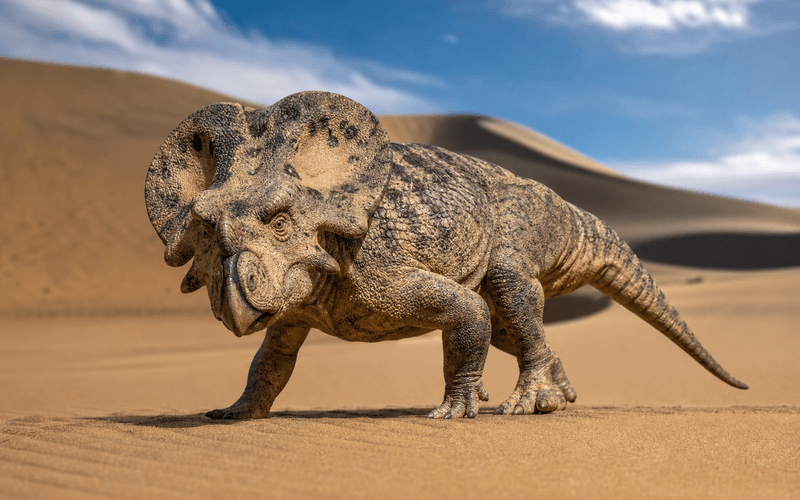
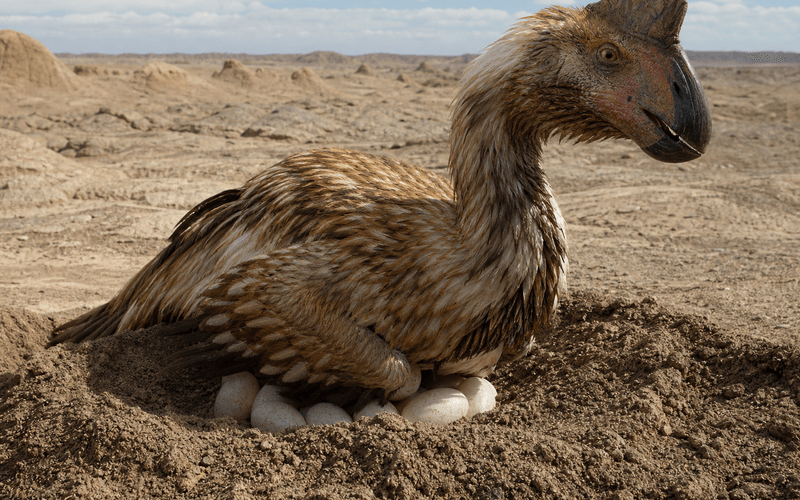
The eggs found at Mongolia’s Flaming Cliffs were once associated with Protoceratops, a common animal at the locality. Later discoveries, including an embryo inside a similar egg, linked such eggs to oviraptorid dinosaurs. AMNH’s account of the discovery shows how a persuasive interpretation can change when more direct evidence appears.
That history matters when reading about Oviraptor. Its name reflects an early interpretation of egg theft, not proof that every individual found near a nest was stealing eggs. Nor does the correction establish the animal’s entire diet. Fossils answer particular questions.
What each kind of discovery supports
A parent over a clutch, repeated nests and embryos all provide different information. The strongest account keeps those observations separate before combining them.
| Observation | Reasonable inference | What still needs evidence |
|---|---|---|
| Embryo inside an egg | A close link between egg type and the embryo’s group | Whether every similar egg belongs to the same species |
| Adult preserved over eggs | Possible brooding or guarding | Daily routines and which sex provided care |
| Nests on several levels | Repeated use of a nesting area | Whether the same individuals returned |
| Eggshell pigment traces | Evidence about original pigmentation | The colour of every egg in the group |
Looking inside an egg without cracking it
High-resolution X-ray imaging lets researchers investigate fossil embryos while preserving their relationship to the surrounding rock. A study of Massospondylus embryos found that their skull development was less advanced than previously assumed. The museum’s report on the scans describes how comparison with living reptiles helped interpret their developmental stage.
An embryo is therefore more than a small dinosaur portrait. It is evidence about growth. Even so, a percentage of incubation inferred for one specimen should not be converted into an exact hatching timetable for all dinosaurs.
Some eggs carried colour
A 2018 study in Nature investigated pigments in dinosaur eggshells and argued that coloured eggs had a single evolutionary origin among the sampled dinosaurs. This is chemical evidence, distinct from identifying a colour in a painting or judging the present-day colour of a mineralized fossil.
The modern colour of a fossil may result from its burial history. To understand that transformation, start with how fossils form. Then compare reproductive evidence with the relationship between birds and other dinosaurs—without assuming every extinct species nested like a bird living today.
Questions and answers
Could a fossil dinosaur egg still hatch?
No. A fossil egg is an ancient geological specimen. Its preserved embryo, if present, is not a living embryo waiting to develop.
Can a round stone be identified as a dinosaur egg by shape?
No. Natural concretions can resemble eggs. Identification needs evidence such as shell structure, an embryo and geological context.