Finding your way around Dinosauria
Types of Dinosaurs: A Guide to the Main Groups
Short answer
The main dinosaur groups are branches of a family tree, not size categories. Theropods include T. rex and birds; sauropods include long-necked giants; ornithischians include horned, duck-billed and armoured dinosaurs. “Flying dinosaur” and “sea dinosaur” often refer to animals outside Dinosauria.
Start with six familiar branches
This table is a practical map of common groups, not a complete classification or a set of equal taxonomic ranks. A subgroup can sit inside another group: birds are theropods, and hadrosaurs belong within ornithopods. The National Park Service provides the wider evolutionary context.
| Group | Useful features | Example in our collection |
|---|---|---|
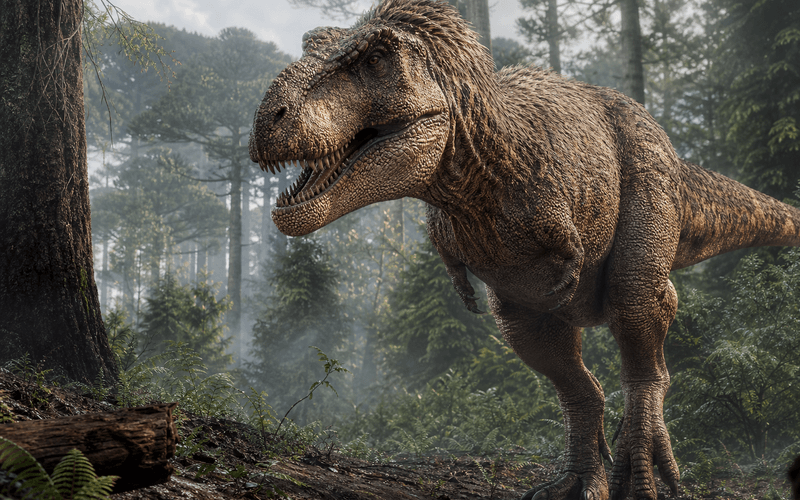
| Theropods | Usually bipedal; a wide range of diets and body coverings | Tyrannosaurus, Velociraptor, Archaeopteryx |
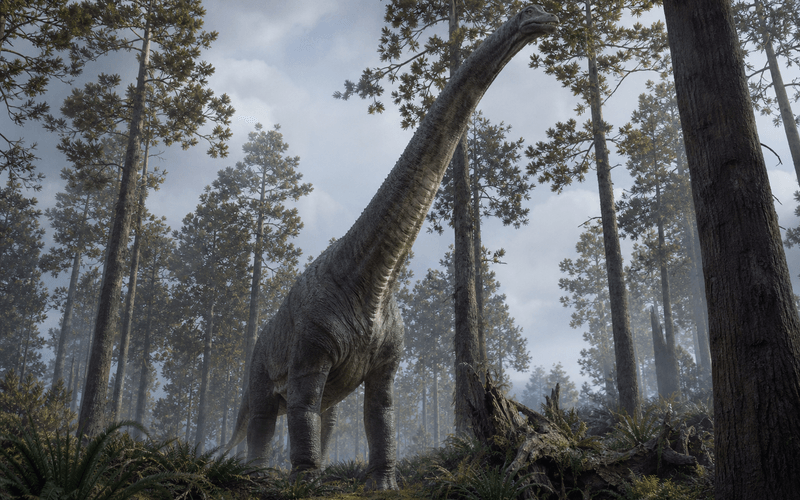
| Sauropods | Long necks, small heads, four weight-bearing legs | Diplodocus, Brachiosaurus |
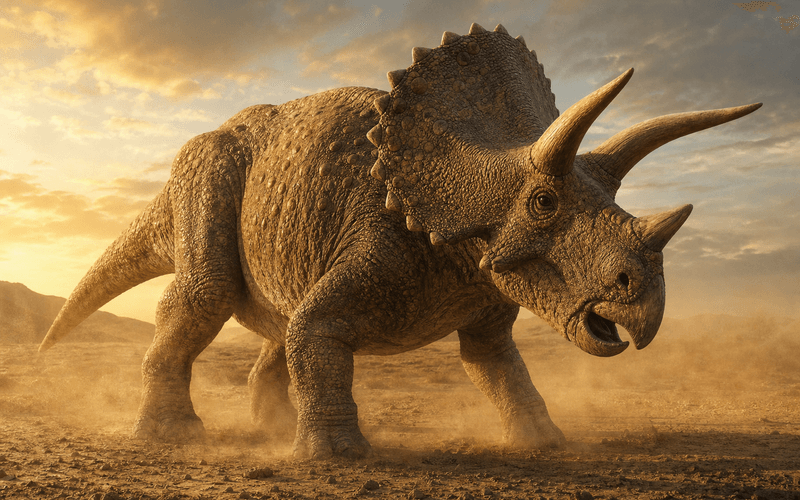
| Ceratopsians | A beak; many later forms had horns and a frill | Triceratops, Protoceratops |
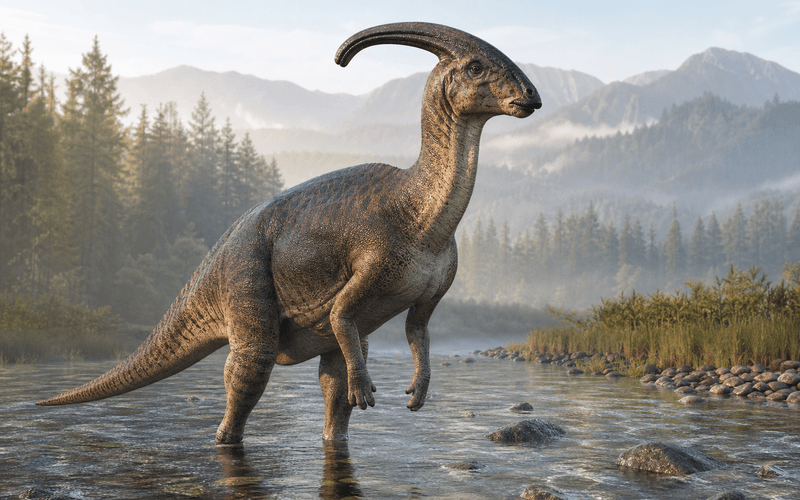
| Ornithopods | Plant-eaters with varied chewing adaptations | Iguanodon, Parasaurolophus |
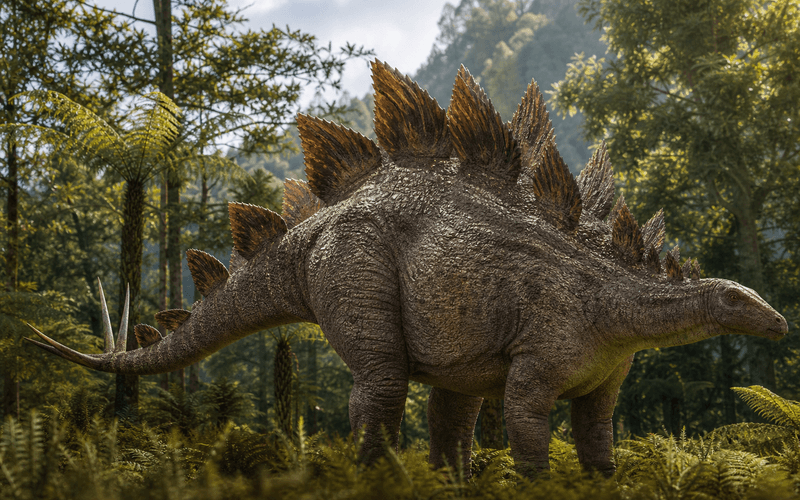
| Stegosaurs | Back plates or spines and tail spikes | Stegosaurus |
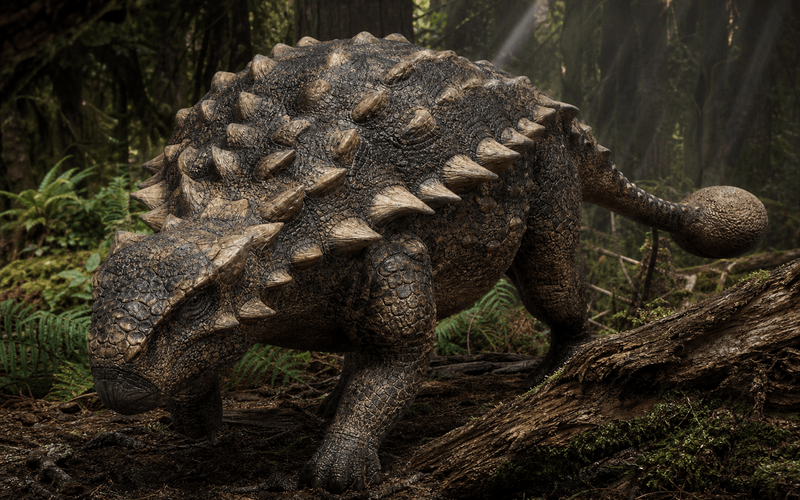
| Ankylosaurs | Extensive bony armour; some had tail clubs | Ankylosaurus |
Diet is useful, but it is not a family tree
Many familiar theropods ate meat, but Therizinosaurus belongs to the same broad branch and is interpreted as a plant-eater. Conversely, the plant-eating Brachiosaurus and Triceratops sit in quite different dinosaur groups. Similar food does not make two animals close relatives.
This is a helpful way to use the species catalogue: filter by diet to compare lifestyles, then open the individual cards to compare anatomy and relationships. A filter is a browsing tool, not a claim that its categories are evolutionary branches.
The two traditional “hip” labels
Dinosaurs were traditionally divided into Saurischia and Ornithischia. Sauropodomorphs and theropods were placed within Saurischia; horned dinosaurs, ornithopods and armoured dinosaurs within Ornithischia. The names are commonly rendered “lizard-hipped” and “bird-hipped.”
Birds nevertheless evolved within theropods, not Ornithischia. Researchers continue to examine relationships near the base of the dinosaur tree, so a simplified chart is a guide to current interpretation rather than a set of labels that can never change. Read the evidence that birds are dinosaurs for the nesting of those groups.
Which prehistoric reptiles fall outside the group?
Pteranodon is a pterosaur. Mosasaurus is a marine squamate, related within the broader lizard-and-snake branch. Sharing an era with dinosaurs does not put either animal inside Dinosauria. Likewise, size, a frightening appearance or an extinct status cannot define a dinosaur.
The NPS discussion of dinosaur anatomy cautions that individual features can have exceptions. Relationships are established from combinations of characters. That is more reliable than identifying every upright reptile, horned animal or ancient swimmer as a dinosaur.
A genus, a species and a nickname are different things
Tyrannosaurus is a genus; Tyrannosaurus rex is a species name. “Duck-billed dinosaurs” is an everyday description used for hadrosaurs. Keeping these levels separate makes catalogues easier to read and prevents misleading counts of how many “types” exist.
The American Museum of Natural History’s overview also explains why the fossil record does not capture the full original diversity. A fixed total quickly becomes outdated as new species are described and older names are reassessed. The useful question for a beginner is which group an animal belongs to and what evidence puts it there.
Questions and answers
Are all long-necked prehistoric reptiles sauropods?
No. A long neck evolved in different reptile groups. Plesiosaurs, for example, were marine reptiles outside Dinosauria.